
Office Chair Butt and How to Combat It

Yep, “office chair butt” is a thing, but though the expression sounds like something we shouldn’t take seriously, it can go far beyond your derrière, causing negative effects throughout the body. We humans aren’t genetically designed to sit at computers all day – at least not yet. Our bodies love to remind us of this, and not just in one spot. Problems radiate, leading to even bigger problems down the road.
The good news is that it’s fixable. In this article, I take a closer look at office chair butt (well, not literally) and provide tips and products to help you combat it. You’ll be sitting pretty in no time.
Please note that some designs may contain affiliate links. As an affiliate, I may receive a commission for recommendations or purchases made through links on my website without any extra cost to you. For more information, please read my disclaimer.
What is Office Chair Butt?
Office chair butt is a casual way of describing the adverse effects that sitting too long has on your rear end. Sitting for hours a day, especially in a poorly designed chair, can make your glutes inactive, leading to soreness, muscle loss, and a saggy or flattened appearance.
The problem can lead to gluteal amnesia, also known as Dead Butt Syndrome (DBS) – two hilarious names for a serious condition. The gluteal muscles forget to support the pelvis and keep the body aligned, and compensating can trigger a chain reaction of issues that extend beyond your backside, reshaping your body and weakening your muscles to the point where you get injuries. You might feel stiff in your hips, sore in your lower back, and just generally sluggish. You literally drag down your posture and energy.
What Does Office Chair Butt Look Like?
From the outside, your backside may look flatter or less defined. When you don’t use your glutes for long periods, the muscle tone starts to fade, and the area can look saggy or shapeless. You might also notice posture changes, like an exaggerated lower back arch or forward-tilting hips.
Tips and Products to Combat Office Chair Butt
Here are some easy and straightforward solutions you can adopt to combat the problem.
Stay Aligned with an Ergonomic Office Chair

(One of my picks in my list of the best office chairs under $200.)
If you are looking for a good place to start, this is it. Your office chair is where you spend the bulk of your time. And it doesn’t have to be expensive to work.
All ergonomic chairs are designed to support your natural spinal curve. They keep your pelvis in a neutral position and help prevent your glutes from turning off entirely. It also keeps your body minutely engaged, rather than less engaged in some areas and too engaged in others. This improves posture and reduces muscle fatigue and discomfort over time.
For more info on the benefits of this type of chair, check out my article all about ergonomic chairs.
Stay Mobile at Your Desk With an Exercise Ball

Using an exercise ball instead of a chair for part of the day engages your glutes and core muscles. Unlike chairs, a stability ball encourages micro-movements as you balance, activating muscles that otherwise stay dormant during long sitting sessions.
Keep in mind that an exercise ball expends energy. It’s minor but ongoing, so I don’t recommend using it as your only chair. It’s more of a supplement, so don’t overdo it initially. Start with short intervals and work your way up as your body adjusts, and keep building from there. Also, avoid framed versions of the balls that resemble chairs with low backs and lower frames. You should be able to move the ball around to adjust your balance, activate your core, and improve your posture.
Stand Up to Office Chair Butt with a Standing Desk
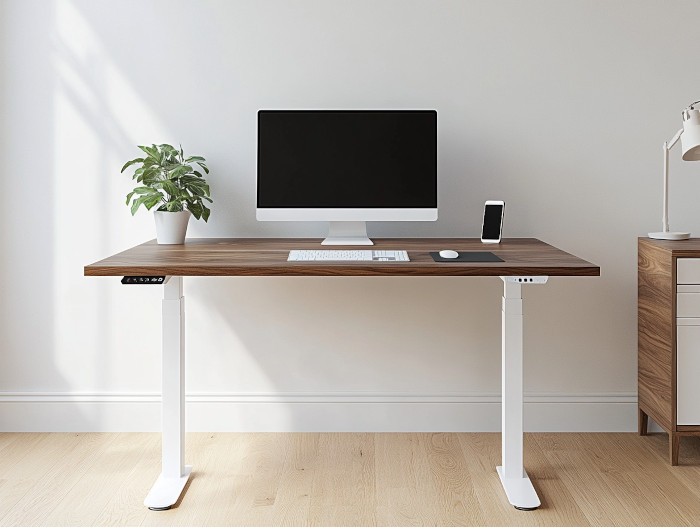
See my roundup of top-quality standing desks.
Standing desks offer a simple and affordable way to reduce the hours your glutes spend doing nothing. Switching between sitting and standing throughout the day keeps your muscles active and your circulation flowing. Again, it’s not about using the product all day—it’s about breaking up static sitting patterns and giving your body different ways to move and reset.
I’ve used a standing desk for years, and it does help. It isn’t always easy to remember, but one trick I found is that when I feel any body pain, I raise the desk as an alternative to stretching or rubbing the area. It’s just a good muscle-memory approach. Then, after a few minutes of typing, I forget I am standing.
While I stand, I shift my weight, stretch, and lean to me from stiffening up like a forgotten action figure. The goal isn’t perfection; it’s just simple movement.
Check out my picks for some of the best desks today, including standing models. Also, Amazon is also a great source.
Stay a Step Ahead with a Walking Pad

See my roundup of best walking pads this year
A walking pad takes the benefits of a standing desk further. Instead of just standing, you’re moving—lightly and consistently. This offers a number of benefits that make it useful for anyone, but to keep things relevant here, they keep your blood flowing and your glutes activated. Even slow walking can help reverse some muscle stagnation.
Here are my picks for the best walking pads on the market today.
Pedal Up to a Desk Bike or Pedal Machine

If you prefer to bike than walk, there’s a product for that. A compact pedal machine or under-desk bike keeps your legs moving as you work, helping to activate your glutes and improve circulation. It’s not a full-on workout, but it breaks up long periods of sitting and gets your lower body more involved, including your glutes. It’s also great for people who fidget—like productive fidgeting. Just don’t go too hard while typing, or your emails might come out… intense.
Rock Your Way to Better Health with a Kneeling Chair

Kneeling chairs are one of the more unique chair designs that may make you do a double-take at first, but they work! It’s a nice addition to use now and again alongside an ergonomic chair. You shift your posture by opening your hips and distributing weight between your shins and glutes. This position helps reduce compression on your tailbone and keeps your core and glutes slightly more engaged while sitting. The rocking-style versions go further, adding movement that subtly activates your lower body throughout the day.
Get Physical With Desk Exercises

See this and other solutions in my desk exercise article.
You can get a mini or maxi workout at your desk with little to no equipment, and I wrote an entire article on them. Some are sure to attract attention, making them better suited for a home office gym, but others are subtle. One noticeable option is squats and lunges. You can use your bodyweight and then take things up a notch with dumbbells or resistance bands.
Here are some subtle, low-impact solutions that work well in traditional offices.
- Raise your legs up while sitting. You will be surprised how much that feels like a workout, and it both activates and corrects your core posture at the same time.
- Ankle and toe movement (lifting and moving in circles).
- Create resistance with your legs by pushing them with your glutes and pushing out with your hands.
- Good, old-fashioned butt clenches.
Move, Move, move

Staying mobile all day may not be easy, so when you have time, take full advantage of it. Stand and walk around the office when possible. Here are some ways to make it easy:
- Visit others in the office. It also helps you socialize and improve relationships.
- Walk on your own or with others to a local coffee shop. Again, this is great for both relationships and business growth.
- For for a quick walk around the block to clear your head. (This is one of my favorites.)
- Taking the stairs when possible.
- Consider a light workout at a local gym during lunch.
You Need to Use It to Lose It
A few smart changes like these improve how you sit and move to activate your glutes and transform how your body feels (and looks). You don’t need to go all-in overnight—just start with one small shift and build from there. Your glutes will smile from the effort.